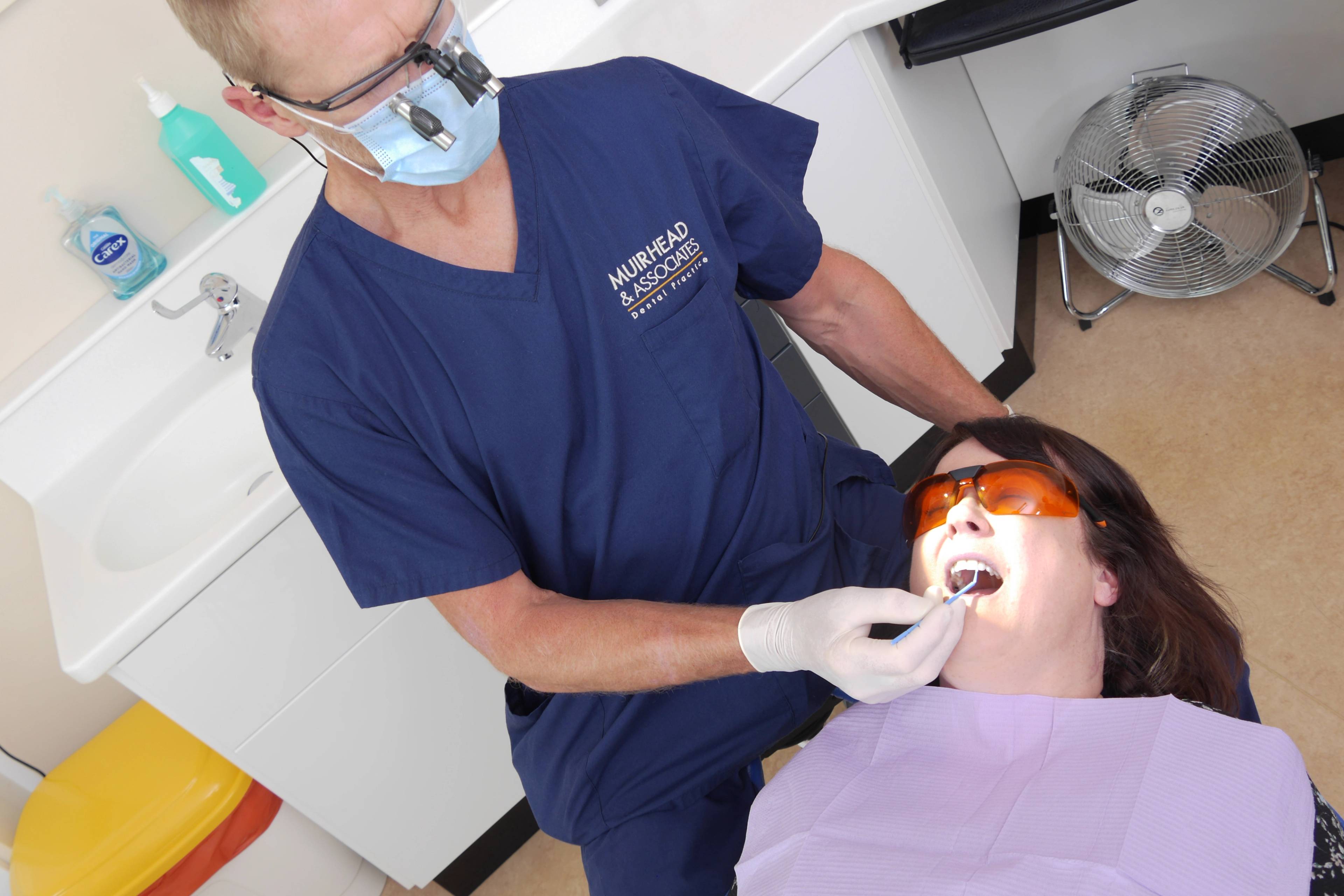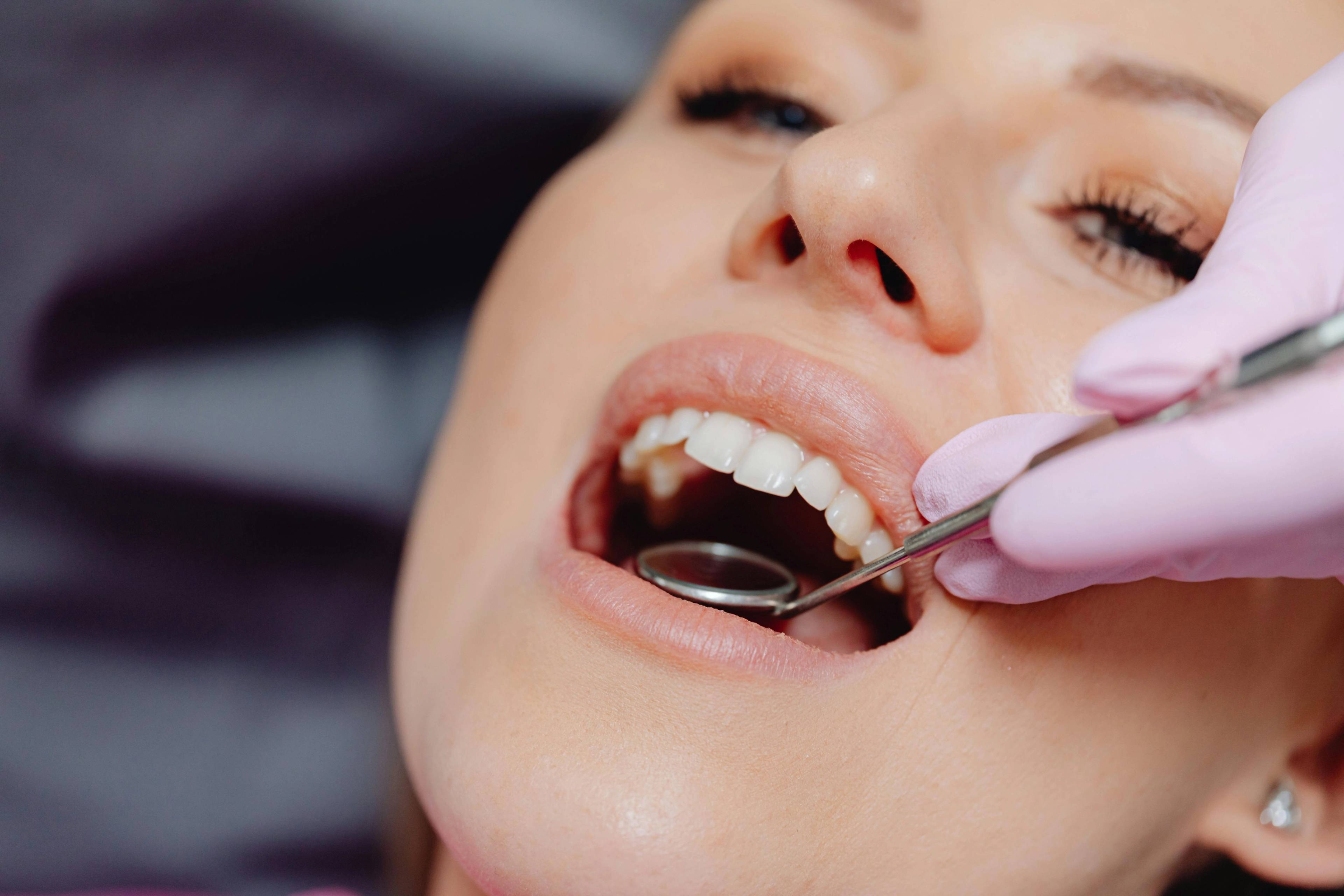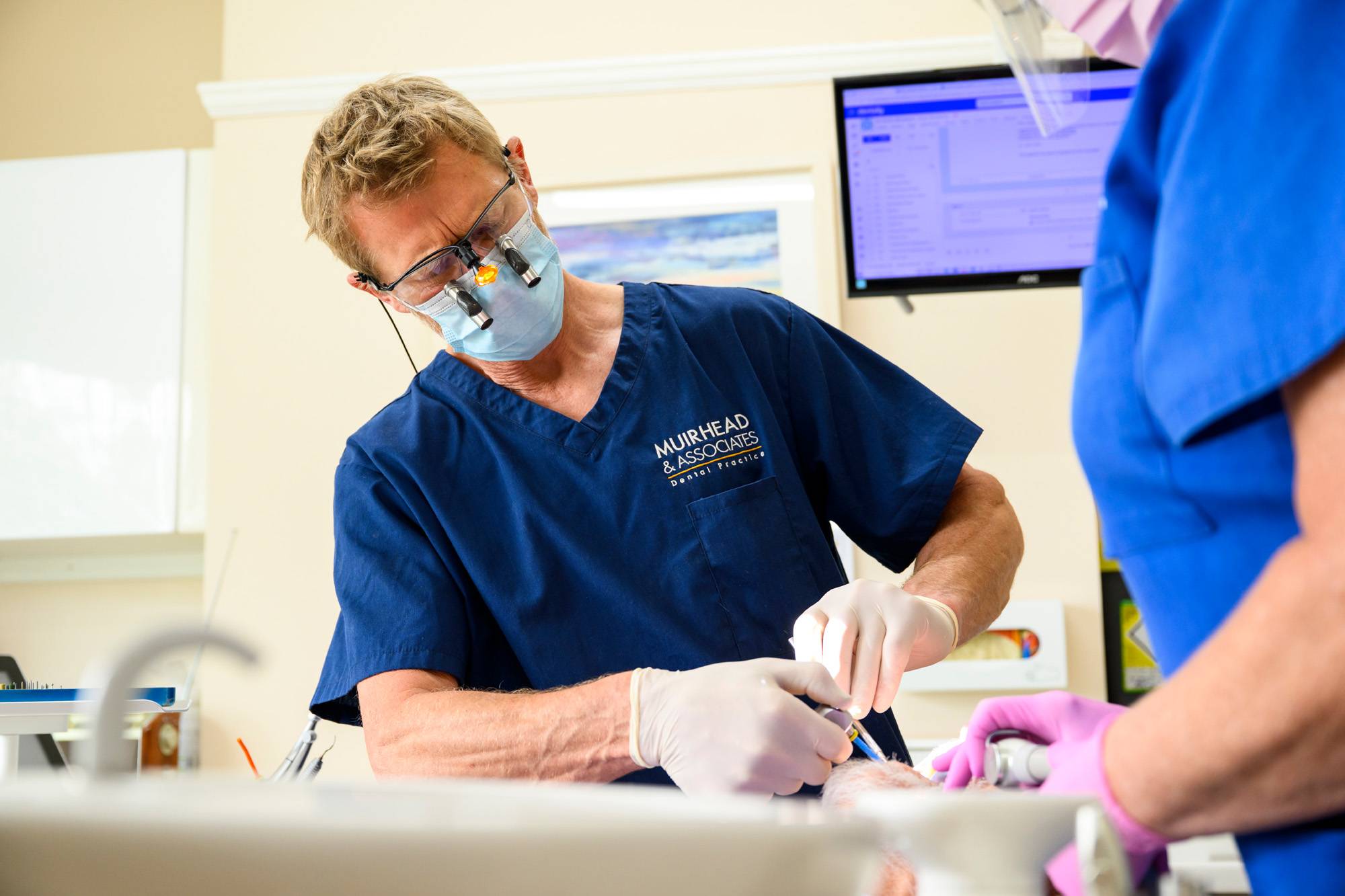
When you have a headache you wouldn’t perhaps think that it could be related to your teeth. Headaches are commonly due to a problem with your bite which puts unwanted stress on surrounding muscles. This can be remedied by a visit to the dentist for treatment.
Curing patients of their long term headaches is an extremely rewarding experience for us.
Symptoms that you may experience:
- Headaches
- Jaw pain and tenderness
- Neck and shoulder pain
- Sinus problems
- Teeth grinding and clenching
Often the problem can be very simply cured but sometimes we may provide you with a specially designed plastic splint which is worn on your teeth, normally overnight.
In some cases restorative work is required, such as crowns or fillings for example, to re-establish a new bite.
Can dental work & tooth problems cause headaches or migraines?
Yes, dental problems can indeed cause headaches or migraines. This phenomenon is known as referred pain, which occurs when pain signals from one part of the body are perceived in another.
Dental issues such as tooth decay, gum disease, an abscessed tooth, or jaw misalignment can lead to headaches or migraines. When there is an underlying dental problem, the nerves in the mouth and face can become irritated and send pain signals to other areas such as the head and neck.
Headaches and links with dental malocclusion
It is a well-known fact that dental problems can cause a variety of symptoms and health issues beyond just tooth pain. One such issue that has been gaining attention in recent years is the link between dental malocclusion and headaches.
Dental malocclusion refers to misalignment or incorrect positioning of the teeth when the jaw is closed. This can lead to strain on the muscles of the jaw, face, and head, resulting in tension headaches or even migraines. When the teeth do not come together properly, it can affect the alignment of the jaw joint (known as the temporomandibular joint or TMJ), leading to pain and discomfort in the surrounding areas.
Additionally, dental work such as orthodontic treatment or dental implants can also cause headaches as the muscles and tissues in the mouth and jaw adjust to the changes. This can lead to temporary discomfort or pain that may manifest as a headache.
It is important to address any underlying dental issues that may be contributing to headaches or migraines. Visiting a dentist for a thorough examination can help identify any potential problems and develop a treatment plan to alleviate symptoms.
How do I stop my teeth grinding?
If you are experiencing headaches due to teeth grinding, there are several ways to help stop this habit:
1. Wear a mouthguard: A custom-made mouthguard from your dentist can help protect your teeth from grinding while you sleep. This can also help alleviate the pressure on your jaw muscles and prevent headaches.
2. Practice stress-reducing techniques : Stress can be a major contributor to teeth grinding. Practicing relaxation techniques such as yoga, meditation, or deep breathing exercises can help reduce stress and prevent teeth grinding.
3. Avoid caffeine and alcohol: Both caffeine and alcohol can worsen teeth grinding. Limiting your intake of these substances, especially close to bedtime, can help reduce the likelihood of grinding your teeth.
4. Maintain good oral hygiene: Keeping up with regular dental check-ups and cleanings can help prevent dental issues that may contribute to headaches caused by teeth grinding.
5. Consider physical therapy: In some cases, physical therapy or jaw exercises may be recommended to help strengthen the muscles in the jaw and reduce tension that can lead to teeth grinding and headaches.